
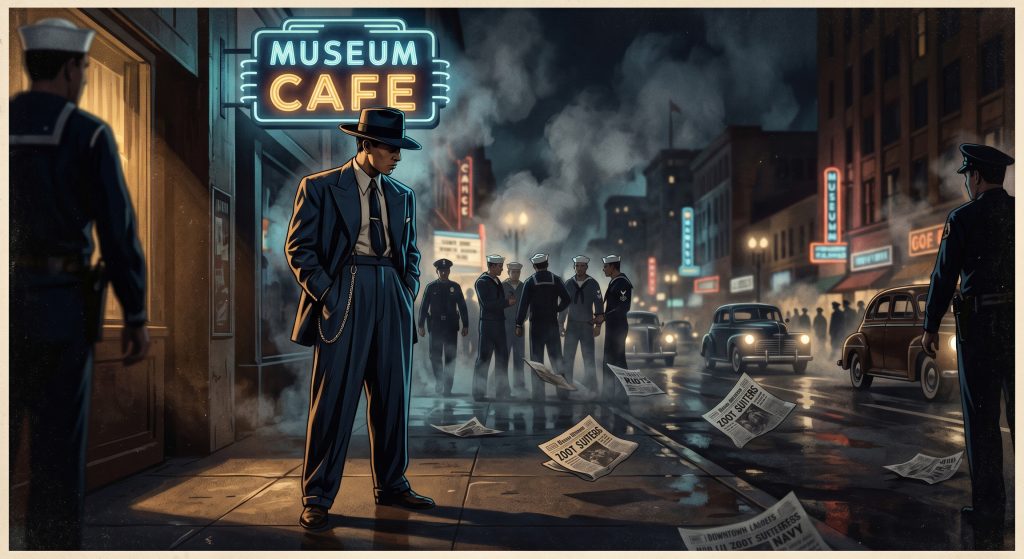
How Clothes Become Political Targets: The Zoot Suit Riots of 1943
A first-draft look at how the 1943 Zoot Suit Riots turned fashion into a political target in wartime Los Angeles.
A first-draft look at how the 1943 Zoot Suit Riots turned fashion into a political target in wartime Los Angeles.
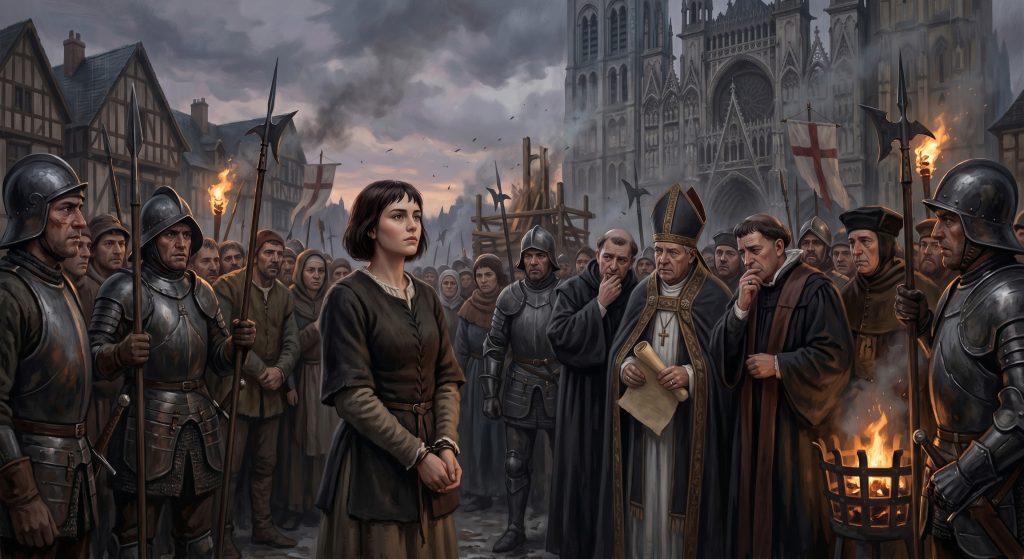
Joan of Arc’s execution was meant to destroy her credibility, poison her meaning, and erase her political power. Instead, it helped create one of the most durable legends in Western history.
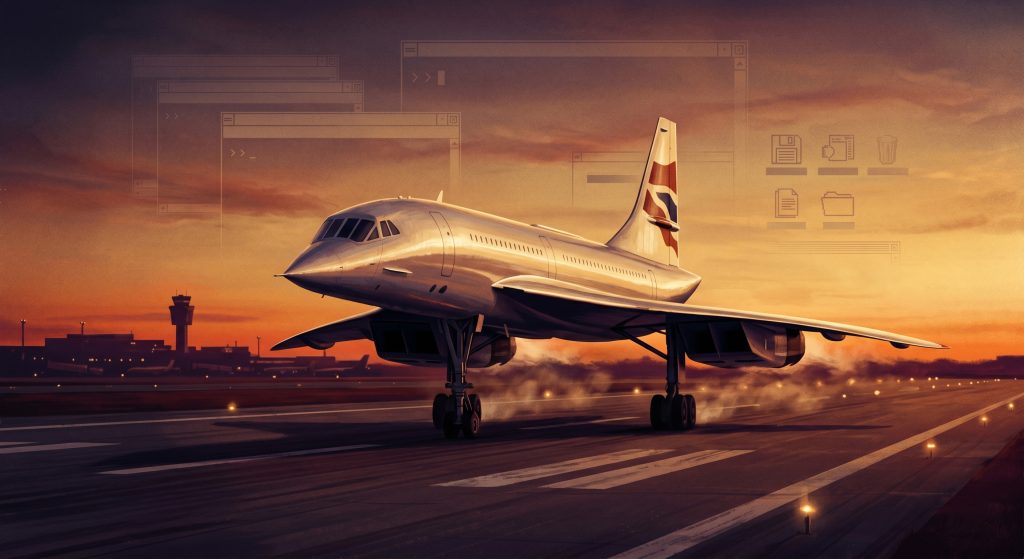
Concorde didn’t just retire—it was discontinued, and 23 years later commercial aviation still hasn’t replaced the one thing it sold better than anyone else: time. Here’s how it began, why it died, what it cost to fly, and which modern projects are trying to reboot supersonic travel.
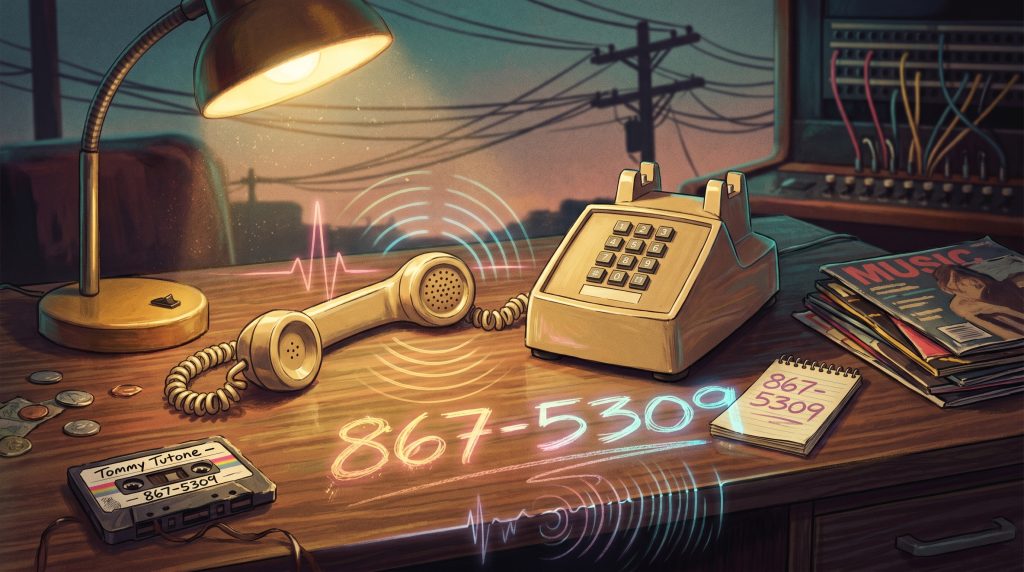
Tommy Tutone’s “867-5309/Jenny” looked like disposable pop, but it ended up colliding with the real telephone network. The result was prank-call chaos, cultural shorthand, and one of the strangest folklore stories of the landline era.
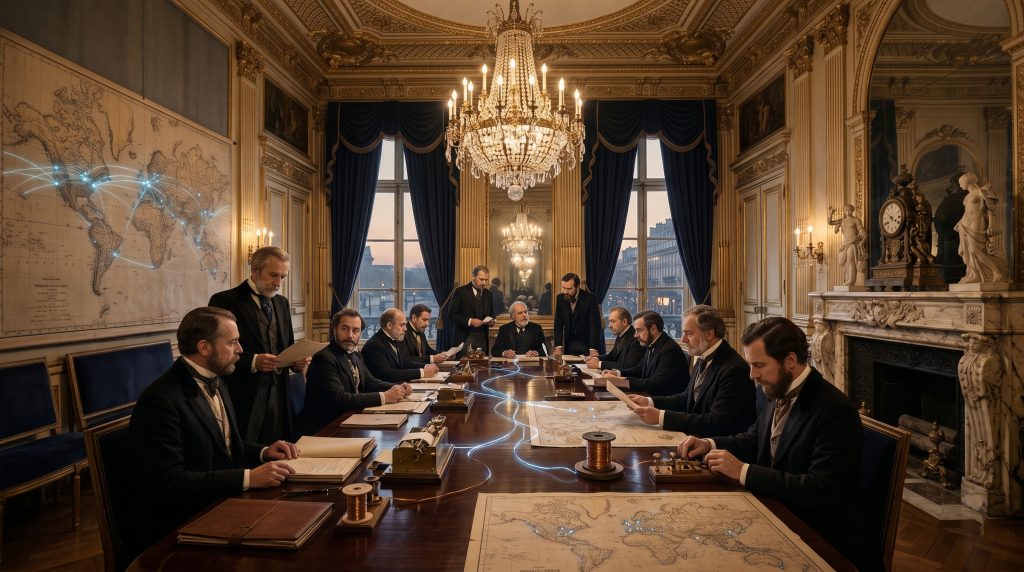
Founded in Paris in 1865, the International Telegraph Union was one of the first serious attempts to build rules for a global communications network — long before the web, but with surprisingly modern stakes.
In May 1992, “Bohemian Rhapsody” was back in the Billboard top five. Here’s why Queen’s strangest hit proved built for cultural recurrence, not just nostalgia.
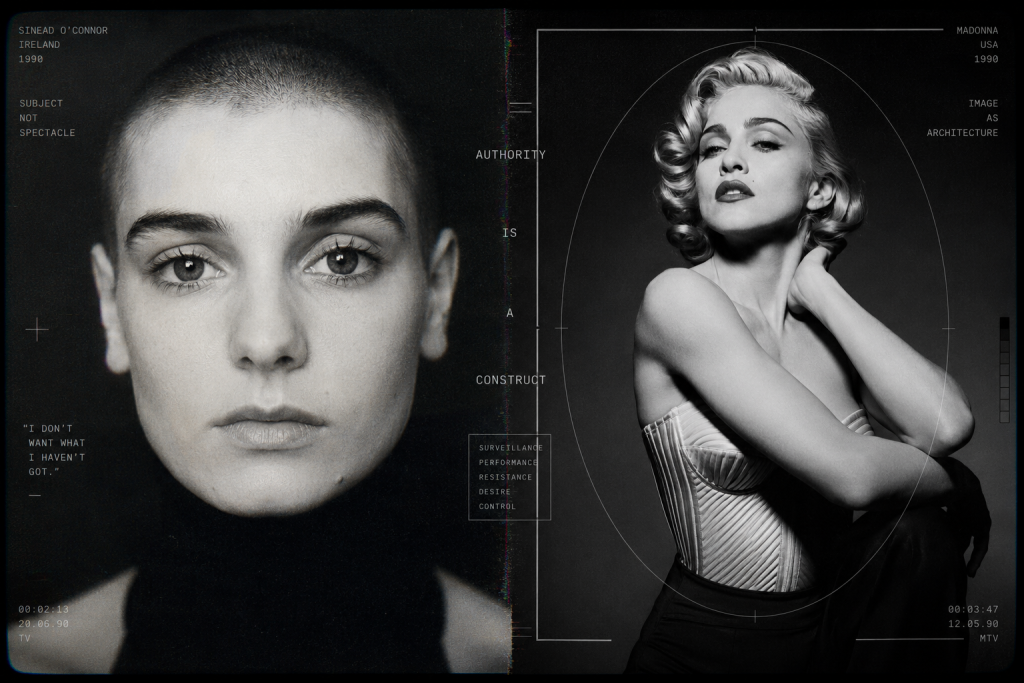
In 1990, Sinéad O’Connor and Madonna offered two opposite solutions to the same media problem: how a woman could project emotional authority inside a visual system built to package, reward, monitor, and punish her.
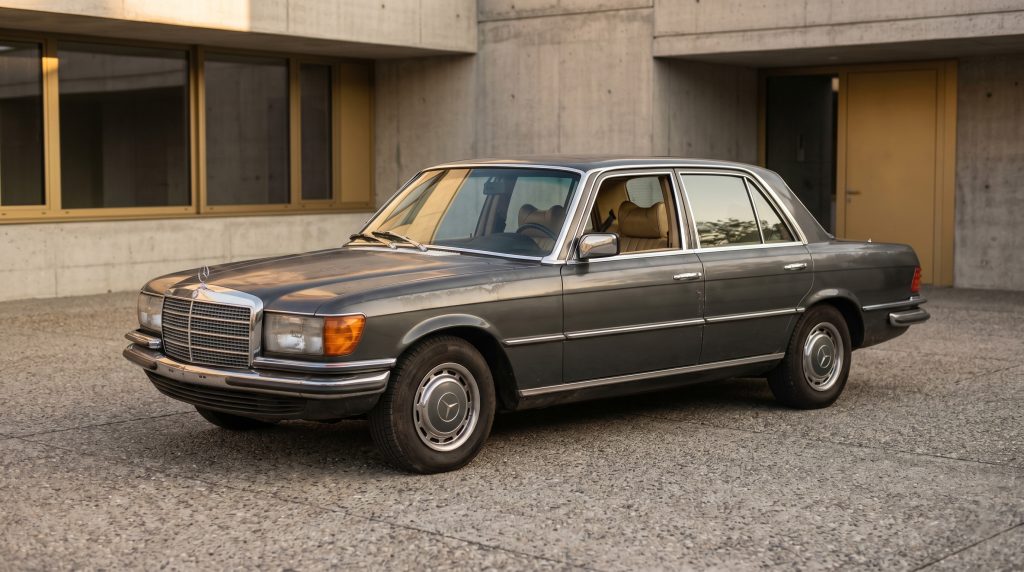
A 1979 Mercedes-Benz 300SD on Bring a Trailer shows why deliberate, imperfect old luxury can feel richer than seamless modern perfection.
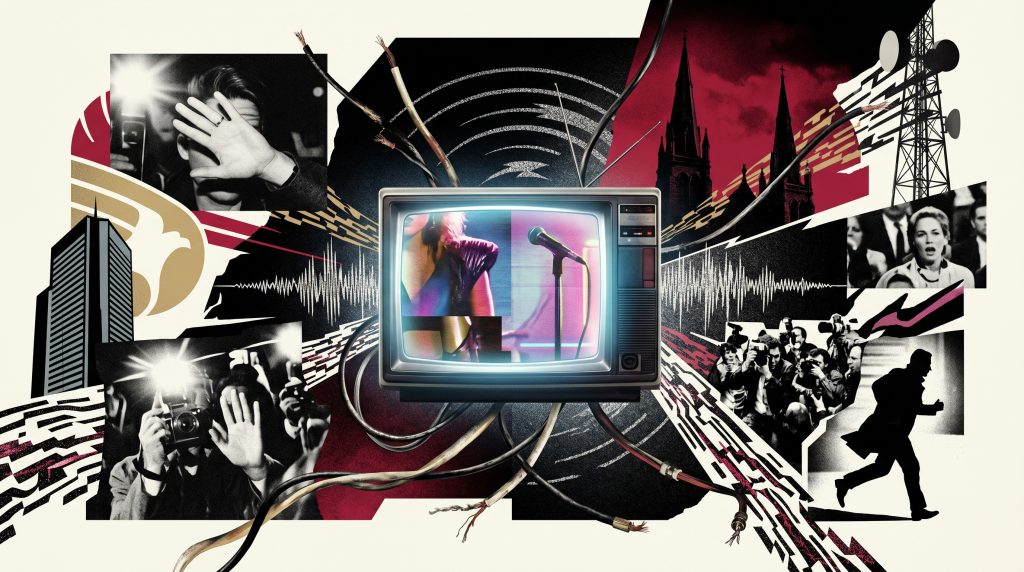
Thirty-seven years after its release, Madonna’s “Like a Prayer” still shows how late-MTV controversy could function like a recommendation engine.
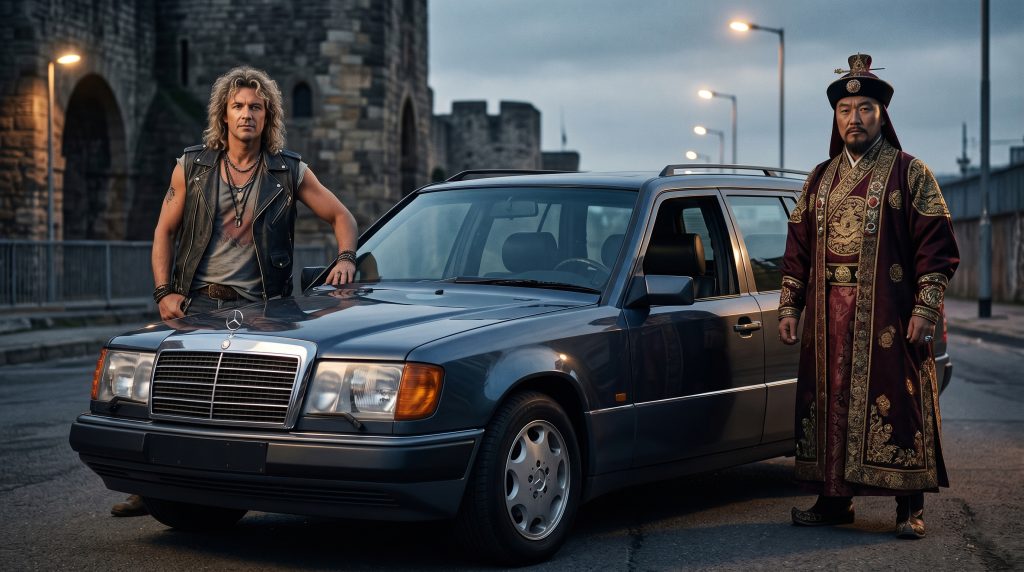
Temür Khan, Van Halen, and the Mercedes-Benz W124 300TE on what survives when a beloved system keeps its badge but gets a new steward.